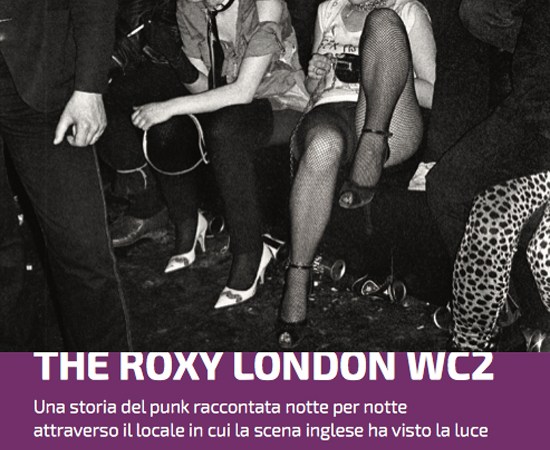
Un tuffo nel Maelstrom del punk originale, e tante tante storie da raccontare…
ENGLISH TRANSLATION WRITTEN IN RED (but it’s really useful? I really don’t know, it’s an italian edition of an english book…)
Cominciamo da quella che forse dovrebbe essere la fine della recensione: il giudizio. Ecco, lo dico subito, questo è un libro che DOVETE avere. Uno dei pochi libri sul punk che, forse proprio perchè si limita ad interviste, aneddoti, racconti, date senza mai lanciarsi in giravolte intellettuali e senza tirare la giacchetta a nessuno, risulta sincero e appassionante come non mai. Sono oltre 500 pagine, leggibilissime (l’ottima traduzione è affidata a Glezos, uno dei pochissimi in Italia ad essere in grado di farla) non sbanda nemmeno per un attimo) e impaginate benissimo, con un buon numero di foto, e un prezzo sì importante di questi tempi (34,00 euri) ma che vi garantisco valga la pena di spendere (ormai certi vinili- nuovi, non pezzi da collezione- vengono appena appena meno).
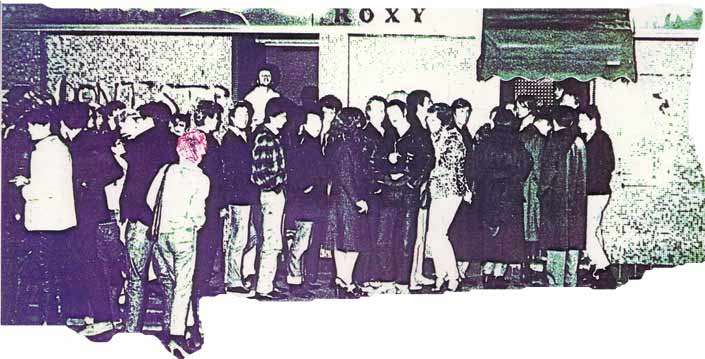
La storia del Roxy, un club per cui la parola seminale sembra inventata apposta, è, come un’opera teatrale, quanto mai circoscritta nello spazio e nel tempo. Uno scantinato di Covent Garden (ancora zona disastrata e piuttosto malfamata), i 100 giorni della gestione di Andy Czezowski e Barry Jones, quella del primo storico concerto a gennaio 1977 con Chelsea e Clash (che in realtà, in pieno spirito punk, non fu affatto il primo), seguiti da un anno turbolento con alla guida un losco gangster come Kevin St. John (personaggio che fonde assieme leggenda e realtà) fino alla definitiva chiusura (aprile 1978). Tutto qui.
Eppure dal turbinio di aneddoti raccontati dalla viva voce dei protagonisti sembra un’epopea quasi senza fine, fatta di fanzinari, musicisti, fotografi, turisti del punk e tanti, tantissimi poseur.
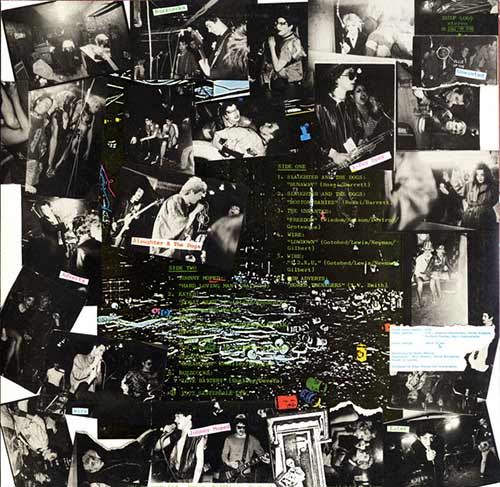
In effetti è pazzesco quanti personaggi che hanno fatto la storia del punk (e qualcuno anche della musica tout court) siano transitati dal Roxy in così poco tempo, ci abbiano suonato e si siano fermati per un po’. Fare un elenco è quasi inutile visto che risulterebbe comunque incompleto, ma proviamoci lo stesso: da Joe Strummer a Billy Idol, da Jimmy Pursey a Siouxsie, da Johnny Rotten a Jayne County, da Don Letts a Max Splodge, da Ian Hunter a Shane MacGowan, dagli Heartbreakers agli Skrewdriver, da Adam & The Ants ai Damned, dalle Slits ai Jam, dai Police ai Cock Sparrer… e ancora non ne ho citati nemmeno la metà…
Ma soprattutto, ecco tutti quei piccoli gruppi ora quasi dimenticati, che costituivano il sottobosco del punk e alla cui esistenza (più che alle superstar che ad un certo punto erano quasi di un altro pianeta) si deve il fatto che il punk sia sopravvissuto… nomi improbabili, registrazioni (quando ci sono) sgangherate (a voler essere buoni), esistenze magari brevi, sconclusionate e frammentate, “gli ultimi romantici” verrebbe da dire… in questo libro si leggono meno cose sui Clash o sui Pistols o sui Generation X (su cui sono state scritte, e spesso sprecate, valanghe di inchiostro) di quante storie ci vengano invece raccontate su Crabs, Plague, Blitz (non QUEI Blitz), Nipple Erectors o sulle fanzine dell’epoca (Sniffin’ Glue, certamente, ma anche These Things, Live Wire, 48 Thrills…), eroi mai abbastanza celebrati e molto più onesti di tanti spocchiosissimi “prime mover”.
Paul Marko (anche gestore dell’ottimo sito web www.punk77.co.uk, online da una vita a spregio di tutti i cambiamenti che ha subito il web negli ultimi anni, e che anche solo per questo meriterebbe rispetto e apprezzamento), ha l’indubbio merito di non allineare la realtà ai propri desiderata ma dà voce a tutti i protagonisti e ai comprimari, limitandosi a tenere il timone a dritta e aiutando il lettore a non perdersi durante il viaggio.
Il che, quasi di soppiatto, ci porta a vedere sotto un’altra luce certi personaggi, ma più in generale la primissima scena punk (compresa buona parte del famoso Bromley Contingent): studentelli artistoidi, classisti e snob, edonisti ed individualisti, che avevano come unico obiettivo quello di farsi vedere, di essere all’ultima moda e di avere i calzoni giusti. Non è una caso che una volta che il punk raggiungerà le classi popolari, molti di quelli della prima ondata si allontanano, quasi schifati da questi “ragazzotti working class” (per non parlare del trattamento riservato a chi viene da fuori Londra, visto che per un londinese chiunque venga da fuori Londra è praticamente un campagnolo ignorante); molti dei primi gruppi punk, poi, hanno firmato per major e ora hanno sogni da rockstars. Lo ripeto, il punk coscientemente rivoluzionario è una pia illusione: non è una questione di riflusso o di tempi storici, è un problema connaturato alla sua nascita…
Per quello, come dicevo prima, le piccole band hanno salvato il punk, e la seconda parte del libro e della storia del Roxy, è anche più interessante della prima, compresi alcuni interessanti aneddoti sull’altro storico locale punk londinese, il Vortex, e un divertentissimo capitolo sulla tournée scozzese di alcuni dei gruppi che avevano partecipato alla seconda compilation punk del Roxy.
Un libro che ho davvero divorato, a dispetto della lunghezza (non eccessiva comunque; anzi, avrei apprezzato anche se fosse durato di più). Alcune parti potevano essere tagliate? Personalmente mi sembra esagerato lo spazio riservato ad alcuni personaggi (come i Cherry Vanilla, che alla fine erano un gruppo rock ma che da buoni americani amano sentirsi al centro del mondo), mentre avrebbe potuto essere più interessante se fosse stata compresa anche qualche voce non anglosassone. Ma questo è veramente chiedere troppo… personalmente mi tengo davvero stretto questo libro, e dovreste farlo anche voi, prima che qualcuno cambi o normalizzi la storia a proprio piacimento.
So, let’s start with what perhaps should be the end of the review: the judgement. I say it right away, this is a book you MUST have. One of the few books about punk that, maybe because it is limited to interviews, anecdotes, stories, dates without ever launching into intellectual gyrations and without throwing anyone’s jacket, is sincere and exciting as never before. There are over 500 pages, very legible (the excellent translation is entrusted to Glezos, one of the very few in Italy to be able to do it) it does not swerve even for a moment) and beautifully laid out, with a good number of photos, and a price yes important these days (34.00 euros) but which I guarantee you are worth spending (now certain vinyls – new, not collector’s items – are just a little less).
The story of the Roxy, a club for which the seminal word seems to have been invented on purpose, is, like a play, extremely limited in space and time. A basement in Covent Garden (still a disaster area and rather infamous), the 100 days of the management of Andy Czezowski and Barry Jones, that of the first historic concert in January 1977 with Chelsea and The Clash (which in reality, in full punk spirit, was not by no means the first), followed by a turbulent year led by a shady gangster like Kevin St. John (a character who blends legend and reality) until its definitive closure (April 1978). That’s all.
Yet from the whirlwind of anecdotes told by the protagonists’ voice it seems like an almost endless epic, made up of fanzines, musicians, photographers, punk tourists and many, many poseurs.
In fact, it’s crazy how many characters who have made the history of punk (and some even of music tout court) have passed through the Roxy in such a short time, played there and stopped for a while. Making a list is almost useless since it would still be incomplete, but let’s try anyway: from Joe Strummer to Billy Idol, from Jimmy Pursey to Siouxsie, from Johnny Rotten to Jayne County, from Don Letts to Max Splodge, from Ian Hunter to Shane MacGowan , from Heartbreakers to Skrewdriver, from Adam & The Ants to the Damned, from Slits to the Jam, from Police to Cock Sparrer… and I still haven’t mentioned even half of them…
But above all, here are all those small groups now almost forgotten, who constituted the undergrowth of punk and to whose existence (rather than to the superstars who at one point were almost from another planet) we owe the fact that punk has survived.. improbable names, ramshackle recordings (when there are any), perhaps short, rambling and fragmented existences, “the last romantics” one might say… in this book you read less about the Clash or the Pistols or about Generation X (on which avalanches of ink have been written, and often wasted) than how many stories we are told about Crabs, Plague, Blitz (not THOSE Blitz), Nipple Erectors or fanzines of the time (Sniffin’ Glue, obviously, but also These Things, Live Wire, 48 Thrills…), heroes who are never celebrated enough and much more honest than many very arrogant “prime movers”.
Paul Marko (also manager of the excellent website www.punk77.co.uk, online for a lifetime in spite of all the changes that the web has undergone in recent years, and which for this alone deserves respect and appreciation), has the undoubted merit of not aligning reality with one’s wishes but gives voice to all the protagonists and supporting actors, limiting themselves to keeping the rudder to starboard and helping the reader not to get lost during the journey.
Which, almost stealthily, leads us to see certain characters in a different light, but more generally the very first punk scene (including a good part of the famous Bromley Contingent): artistic students, classists and snobs, hedonists and individualists, who had the only goal is to be seen, to be in the latest fashion and to have the right trousers. It is no coincidence that once punk reaches the popular classes, many of the first wave move away, almost disgusted by these “working class kids” (not to mention the treatment reserved for those who come from outside London, since for a Londoner whoever comes from outside London is practically an ignorant peasant); many of the first punk bands then signed to major labels and now have rock star dreams. I repeat, conscious revolutionary punk is wishful thinking: it’s not a question of ebb or historical times, it’s a problem inherent in its birth…
As I said before, small bands saved punk, and the second part of the book and the history of the Roxy, is even more interesting than the first, including some interesting anecdotes about the other historic London punk venue, the Vortex, and a hilarious chapter on the Scottish tour of some of the bands that participated in the second Roxy compilation.
A book that I really devoured, despite the length (not excessive anyway; indeed, I would have appreciated even if it had lasted longer). Could some parts be cut? Personally, the space reserved for some characters seems exaggerated to me (such as Cherry Vanilla, who in the end were a rock band but who like good Americans love to feel at the center of the world), while it could have been more interesting if some non- Anglo-Saxon. But that’s really too much to ask… I personally really hold onto this book, and you should too, before anyone changes or normalizes the story to their liking.
 Oi! Senza pietà